
Marine hull war and cargo war risk facility aims to bolster market capacity as geopolitical risks persist
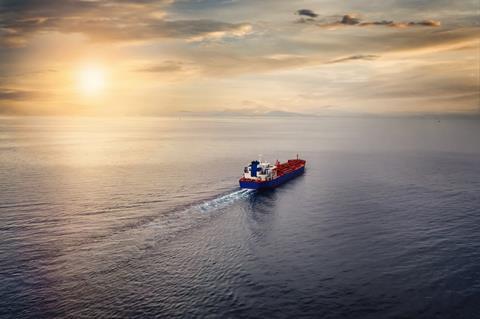
Beazley has announced plans to launch a new marine war consortium, providing up to $1bn of Lloyd’s-backed capacity to support vessels operating in high-risk areas including the Strait of Hormuz.
The facility will offer $500m each for hull war and cargo war risks, adding to existing market capacity as the maritime sector navigates ongoing conflict-related disruption.
The consortium will be led by Beazley and supported primarily by Lloyd’s syndicates alongside other London market insurers, with scope to incorporate additional third-party capital over time.
It is designed to provide targeted support for vessels and cargo transiting the Strait of Hormuz, where heightened geopolitical tensions have increased demand for war risk cover.
The move comes as the Lloyd’s and London marine war market continues to provide cover despite elevated risk levels, with the new consortium intended to ensure sufficient capacity remains available as conditions evolve.
Adrian Cox, CEO of Beazley, said the initiative reflects the market’s responsiveness to global trade pressures.
“I’m proud that the marine market, in which we are a leader, continues to play a vital role in maintaining continuity of trade amidst ongoing conflict,” he said.
“This consortium demonstrates the agility of the market to respond to the needs of global supply chains and I’m pleased that under Beazley’s leadership we have been able to swiftly coalesce our market’s combined expertise to deliver a highly specialist solution that will assist in keeping global trade moving,” Cox added.
Patrick Tiernan, CEO of Lloyd’s, said the consortium strengthens the market’s preparedness.
“I welcome the launch of this timely and pragmatic Beazley-led consortium,” he said.
“While insurance continues to be available for ships transiting the region, it is prudent to have facilities in place for changes in demand in the future,” he continued.
“The consortium demonstrates the Lloyd’s model at its best: capital and expertise aligning, not only to address immediate pressures, but to anticipate future requirements,” Tiernan added.









No comments yet