
Re/insurance broker comments highlights pricing volatility and tighter terms as market adjusts to new equilibrium
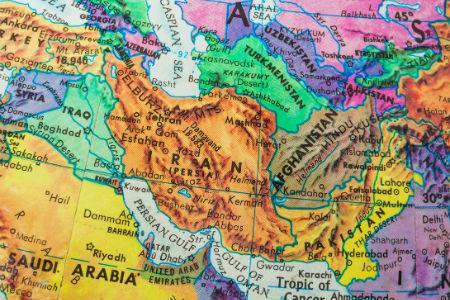
The ongoing conflict in the Middle East is set to play a defining role in April 1 renewals, influencing capacity, pricing and underwriting behaviour across the terrorism and political violence market, according to WTW.
Fergus Critchley, global head of terrorism and political violence at WTW, said the market response will depend heavily on how the conflict develops in the coming weeks.
Conflict-affected Dubai is a major hub for specialty insurers underwriting war, political violence and terrorism business, typically on a direct and facultative basis, which is then reinsured at treaty level regionally and internationally.
“The Middle East situation will be a key factor shaping renewals in the short-term, primarily through its effect on insurer capacity, pricing volatility and potentially treaty structures,” he said.
“If the conflict were to de escalate in the near term, we would expect insurer appetite to return relatively quickly, with the current shock pricing environment subsiding, though not back to pre conflict levels,” he continued.
“Coverage breadth, especially around contingent exposures such as supply chain risks, is likely to recover more slowly as insurers remain cautious,” he added.
Critchley said the more likely outcome is that the market stabilises at a new, higher pricing level.
“Under the more probable scenario of a continued conflict, the market appears to have settled into a new equilibrium,” he said.
“Insurers are still offering solutions across all major lines, but with reduced line sizes, tighter terms, and higher rates than before,” he continued.
“There are some Treaty programs renewing at April 1, and we wait to see if there are any significant restrictions, though this is not currently predicted,” he added.
He noted that reduced line sizes are already changing how risk is distributed across the market.
“Because insurers are immediately writing smaller lines, more risk is being retained net, which should help limit pressure on excess of loss structures for the main treaty renewal date of 1/1,” he said.
A further escalation of the conflict would have more significant consequences, potentially extending beyond the region.
“A worsening of the conflict, whether through geographic expansion or increased intensity, would have the most significant implications,” Critchley said.
“In that case, we could see stop orders on underwriting new exposure, heightened referral requirements, and a broader impact beyond MENA into the global marketplace.
“For now, capacity outside the region remains largely intact; pre conflict war capacity of ~$3.5B and terrorism capacity of ~$5B has only materially contracted within MENA,” he added.
Critchley also pointed to a more measured response from reinsurers compared with previous geopolitical shocks.
“Importantly, unlike the immediate reaction during the start of the Ukraine war, reinsurers have not signaled any intention to impose blanket regional exclusions,” he said.
“This means insurers will continue to manage exposures through aggregate controls rather than broad-based treaty restrictions, which is a constructive sign for clients renewing this cycle,” Critchley added.







No comments yet