
Missile and drone attacks in the Gulf are increasing tail risk for marine, aviation and political violence insurers, but disciplined underwriting and reinsurance protection mean large carriers are expected to absorb most losses, according to a new sector analysis
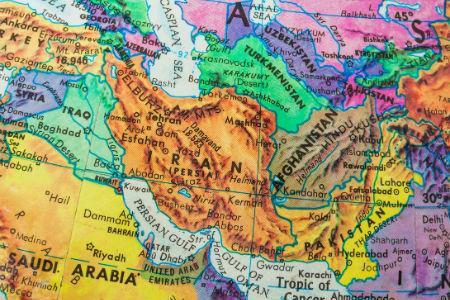
The emerging conflict involving Iran is sharpening risk across several specialty insurance lines, even as analysts expect most losses to remain manageable for large and diversified insurers, Moody’s has reported.
Missile and drone strikes across the Gulf region have disrupted key transport corridors, particularly around the Strait of Hormuz, raising the likelihood of severe but low frequency claims in marine, aviation and political violence insurance, the rating agency said.
A new cross sector analysis from Moody’s argues that the industry’s capital position, combined with strict exposure management, should help contain the financial impact under a baseline scenario.
“We expect losses to be manageable for large, diversified insurers in this scenario thanks to their careful risk selection, aggregate claims limits and reinsurance protection,” the report states.
At the same time, the conflict is already affecting underwriting behaviour, especially in transport related classes.
Reduced shipping and aviation activity in the Gulf has prompted insurers to reprice risk and tighten coverage terms.
Marine insurers have issued cancellation notices for war risk policies in early March, although most cover was rapidly reinstated at higher prices.
The report notes that despite the disruption, “the majority of the 1,000 vessels in the Persian Gulf were still insured in the London market,” indicating that policies were largely replaced rather than withdrawn.
This repricing reflects the elevated exposure facing marine insurers if the Strait of Hormuz remains partially closed.
War risk policies typically contain “blocking and trapping” provisions, which allow vessels detained for extended periods to be treated as total losses.
Historical precedents suggest such claims can take years to resolve, especially when questions arise about when a loss occurred and whether cover was still in force.
“War risk policies generally include ‘blocking and trapping’ provisions that allow a total loss claim after a prolonged period of detention,” the briefing observes.
The aviation market faces a related but distinct risk profile, according to Moody’s.
Aircraft parked at large regional airports create potential for significant accumulation losses if infrastructure within the Gulf monarchies continues to come under attack.
The report warns that “risk of aggregate losses – where a single event triggers multiple claims – has also risen at major airports.”
Nevertheless, insurers retain a degree of flexibility because aviation war policies allow cover to be cancelled or repriced at short notice.
“Overall, we expect aviation losses to be contained in most scenarios,” the analysis says, citing strong exposure controls and the ability to adjust pricing quickly as conditions change.
Political violence (PV) and terrorism insurance is another line under growing scrutiny, with a GR exclusive revealing that loss-hit buyers had purchased narrow terrorism protection rather than broader war risk PV policies.
Demand for cover has risen sharply as businesses reassess their exposure to missile strikes and other conflict related risks.
While this is supporting premium growth, it also raises the potential for disputes over policy triggers.
Strikes, riots and civil commotion (SRCC) is another PV peril on the radar as the conflict continues.
“There is growing legal uncertainty around PVT and SRCC coverage,” the report notes, because distinctions between war, terrorism and civil unrest are frequently contested.
This ambiguity could become significant as insurers begin receiving claims linked to recent attacks across the region.
The report highlights early loss notifications from damaged energy infrastructure as an example of how such claims may begin to emerge.
Beyond these core specialty classes, other insurance segments face more indirect exposure.
Cyber insurers remain alert to the possibility of state linked digital attacks, though analysts note that existing war exclusions should limit direct losses.
Event cancellation, travel insurance and energy coverage could also see claims if disruption spreads across sectors.
However, these exposures are viewed as secondary to the transport and political violence markets.
Ultimately, the duration of the conflict is likely to determine the scale of insurance losses.
A longer war with attacks across infrastructure, shipping and aviation happening simultaneously might raise the complexity, Moody’s warned.
“A prolonged conflict would raise the probability of multi asset losses and more complex claims development,” the report added.









No comments yet